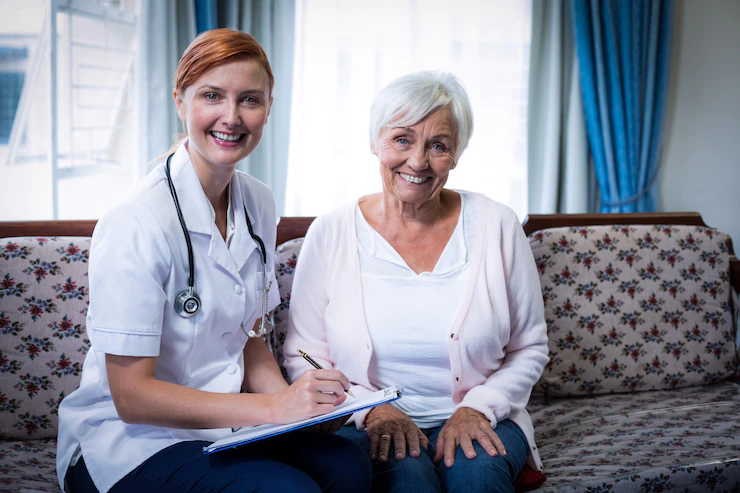
Sekarang ini sedang marak layanan panggil dokter ke rumah untuk lakukan konsultasi dan bahkan pengobatan pasien secara rutin. Selain akan menghemat waktu karena tak harus pergi ke rumah sakit atau klinik, layanan ini pun membantu dokter untuk lebih pahami kesehatan dengan lihat kondisi pasien yang lebih menyeluruh, di dalam hal ini rumah dan lingkungan.
Panggil dokter ke rumah pun bisa menyesuaikan perawatan dilakukan dengan kondisi dari pasien serta lingkungannya sehingga memudahkan di dalam pengobatan supaya cepat sembuh.
Memakai layanan panggil dokter datang ke rumah untuk lakukan pemeriksaan kesehatan bisa kurangi risiko penularan penyakit ketika berkunjung ke rumah sakit atau klinik. Selain itu, untuk pasien yang alami kesulitan bergerak, hadirnya layanan ini dapat menjadi pilihan yang tersendiri.
Berikut ini sejumlah pasien yang butuhkan panggil dokter ke rumah yang perlu diketahui:
- Diabetes
Pasien yang butuhkan dokter panggilan adalah pasien dengan penyakit diabetes. Pasien diabetes membutuhkan konsultasi dengan dokter tiap bulannya untuk pengecekan secara rutin. Dokter panggilan bisa bantu cek kadar gula darah dan merawat luka diabetes jika dibutuhkan.
- Jantung
Penyakit jantung adalah pasien yang butuhkan dokter panggil ke rumah. Waktu adalah hal paling berharga untuk pasien sakit jantung. Maka dari itu, memakai layanan panggil dokter ke rumah bisa menghemat waktu sehingga pasien bisa dapatkan perawatan secara tepat waktu serta tak membuat sakit semakin parah.
Baca juga : informasi kesehatan lainnya disini -> https://blogs.insanmedika.co.id/
- Lansia
Lansia merupakan pasien yang juga butuhkan dokter panggilan ke rumah. Dengan adanya dokter untuk perawatan lansia yang ada di rumah dapat membantu menghemat jarak dan waktu yang dibutuhkan oleh pasien untuk ke rumah sakit. Selain itu, perlu adanya pendamping pihak keluarga untuk temani pasien berobat. Dokter panggilan ke rumah bisa bantu lansia periksakan kesehatan dengan rutin tanpa buat Anda khawatir akan perjalanan ke rumah sakit.
- Kesulitan dalam Bergerak
Pasien yang butuhkan memanggil dokter ke rumah berikutnya adalah pasien yang kesulitan dalam bergerak. Biasanya pasien pasca stroke dan pasca operasi akan alami kesulitan dalam bergerak dan dianjurkan untuk lebih banyak istirahat supaya mempercepat kesembuhan. Oleh sebab itu, untuk lakukan perawatannya bisa memakai jasa panggil dokter ke rumah.
Clipperton2008 sudah ada di Google News, follow sekarang juga!

Uzyskaj oryginalne prawo jazdy, zarejestrowane w wybranej bazie danych i urzędzie miasta, w ciągu zaledwie kilku dni, bez konieczności zdawania części praktycznej lub teoretycznej egzaminu.
https://kup—prawojazdy.com/
Uzyskaj oryginalne prawo jazdy, zarejestrowane w wybranej bazie danych i urzędzie miasta, w ciągu zaledwie kilku dni, bez konieczności zdawania części praktycznej lub teoretycznej egzaminu.
https://kup–prawojazdy.com/
compre una licencia de conducir auténtica y registrada registrada en la base de datos deseada y el municipio sin tomar la parte práctica o teórica del examen en solo unos días
https://compraracartadeconducao.com/
koop een authentiek en geregistreerd rijbewijs geregistreerd in de gewenste database en bij de gemeente zonder binnen een paar dagen het praktische of theoretische deel van het examen af te leggen
https://xn--koupitidiskprkaz-b0b9zm5c3m.com
koop een authentiek en geregistreerd rijbewijs geregistreerd in de gewenste database en bij de gemeente zonder binnen een paar dagen het praktische of theoretische deel van het examen af te leggen
https://koopnueenrijbewijs.com/
koop een authentiek en geregistreerd rijbewijs geregistreerd in de gewenste database en bij de gemeente zonder binnen een paar dagen het praktische of theoretische deel van het examen af te leggen
https://rijbewijs–kopen.com/
Kaufen Sie innerhalb weniger Tage einen zertifizierten und registrierten Führerschein, der in Ihrer bevorzugten Datenbank registriert ist, ohne den praktischen oder theoretischen Teil der Prüfung ablegen zu müssen…
https://jetzt-fuhrerscheinkaufen.com/
Uzyskaj oryginalne prawo jazdy, zarejestrowane w wybranej bazie danych i urzędzie miasta, w ciągu zaledwie kilku dni, bez konieczności zdawania części praktycznej lub teoretycznej egzaminu.
https://kupprawo–jazdy.com/
Achetez en quelques jours un permis de conduire authentique et enregistré, inscrit dans la base de données souhaitée et auprès de la municipalité, sans passer la partie pratique ni théorique de l’examen.
https://acheter—unpermisdeconduire.com/
Layanan panggil dokter ke rumah memang sangat membantu, terutama untuk lansia dan pasien dengan mobilitas terbatas. Selain lebih nyaman, dokter juga bisa melihat kondisi lingkungan pasien secara langsung, yang kadang berpengaruh pada proses penyembuhan. Artikel yang sangat informatif, terima kasih sudah membagikan.
Artikel yang sangat informatif, terutama bagi keluarga yang memiliki lansia atau pasien dengan mobilitas terbatas. Layanan panggil dokter ke rumah memang solusi tepat untuk mengurangi risiko penularan dan menghemat waktu, apalagi bagi pasien jantung atau diabetes yang butuh pemantauan rutin. Semoga semakin banyak fasilitas kesehatan yang menyediakan layanan ini dengan tenaga medis profesional.
Terima kasih atas artikel yang sangat informatif ini! Layanan dokter panggilan ke rumah memang sangat membantu, terutama bagi pasien diabetes atau jantung yang membutuhkan pemantauan rutin dan perawatan optimal. Kemudahan ini benar-benar meningkatkan kualitas hidup pasien dan mengurangi risiko penularan penyakit. Ini adalah kemajuan nyata dalam sistem kesehatan kita. Anda juga akan menemukan berbagai alat kalkulasi penting di BA II Plus Financial Calculator.
Artikel ini sangat informatif! Layanan panggilan dokter ke rumah memang solusi yang luar biasa, terutama untuk pasien diabetes dan jantung yang membutuhkan perhatian rutin dan meminimalkan risiko penularan. Saya suka bagaimana artikel ini menyoroti manfaatnya, dari kenyamanan hingga perawatan yang lebih personal. Ini benar-benar kemajuan besar dalam dunia kesehatan. Kalau Anda tertarik mencari artikel lain yang informatif, Anda bisa coba mengunjungi Block Poster.
Terima kasih banyak atas artikel yang sangat informatif ini! Layanan dokter panggilan ke rumah memang sangat membantu, terutama bagi pasien lansia atau yang memiliki kondisi kronis seperti diabetes dan jantung. Kemudahan dan keamanan yang ditawarkan, apalagi di masa sekarang, menjadi nilai plus yang tak terbantahkan. Sangat bermanfaat!
Artikel ini sangat informatif! Layanan dokter panggilan ke rumah memang sangat membantu, terutama bagi pasien diabetes dan jantung yang membutuhkan pemantauan rutin. Kemudahan dan pengurangan risiko penularan penyakit adalah keuntungan besar. Sangat penting bagi kita untuk terus mendukung inovasi seperti ini, mirip dengan bagaimana teknologi seperti Text To Cartoon Video memudahkan konten visual. Ini adalah langkah maju yang luar biasa dalam layanan kesehatan.
Artikel ini sangat informatif! Layanan panggilan dokter ke rumah memang solusi yang luar biasa, terutama bagi pasien lansia atau mereka yang memiliki mobilitas terbatas. Ini benar-benar menunjukkan bagaimana teknologi dan layanan dapat berkembang untuk memenuhi kebutuhan kesehatan yang beragam. Saya setuju, pasien diabetes dan jantung adalah beberapa yang paling diuntungkan. Ini mengingatkan saya pada kemudahan mengakses informasi, seperti saat saya mencari pembaruan tentang 2026 FIFA World Cup Simulator. Terima kasih sudah berbagi!
Artikel ini sangat informatif dan menyoroti pentingnya layanan dokter panggilan ke rumah, terutama bagi pasien dengan kondisi kronis seperti diabetes dan penyakit jantung. Ini adalah solusi brilian yang tidak hanya menghemat waktu tetapi juga mengurangi risiko penularan. Sangat setuju bahwa kenyamanan dan perawatan yang dipersonalisasi di rumah sangat membantu pemulihan. Terima kasih untuk insight yang berharga ini! Layanan seperti ini membuat hidup lebih mudah, sama seperti betapa mudahnya mengelola keuangan dengan Loan Amortization Calculator.
The article makes a great point about how in-home doctor visits can offer a more comprehensive understanding of a patient’s health by considering their environment. This is especially relevant for chronic conditions. For example, managing diabetes often involves more than just monthly check-ups; it’s about lifestyle adjustments and consistent monitoring. I found a similar perspective on Marvel Rivals S8 Tools that complements this well, highlighting how understanding the “environment” of a game, like its meta and player habits, is crucial for effective strategy. Similarly, for patients with conditions like diabetes or heart disease, a doctor seeing them at home can better gauge adherence to treatment plans and identify potential issues related to their daily living conditions that might be missed in a clinical setting. It really emphasizes the personalized aspect of care.
The idea of a doctor making house calls is really appealing, especially for managing chronic conditions like diabetes or heart disease. The article touches on how observing a patient in their home environment can provide valuable context for treatment. This holistic approach seems so much more effective than a rushed clinic visit. It also significantly reduces the risk of exposure for vulnerable individuals, which is a huge benefit. I’ve been looking for resources that explore different aspects of patient care and found a similar perspective on Wizard Alchemy Hub that complements this well. It’s great to see these services becoming more accessible.
The convenience of having a doctor come to your home, especially for chronic conditions like diabetes and heart disease, is a significant advantage. It not only saves time but also allows the doctor to assess the patient’s environment, which can be crucial for treatment. I found a similar perspective on VirtualStagingAI that complements this well, highlighting how understanding the full context can lead to better outcomes. This service seems particularly beneficial for individuals with mobility issues, reducing the stress and risk associated with hospital visits. It’s a smart application of technology and healthcare resources to improve patient care.
The point about doctors being able to assess a patient’s home environment for a more comprehensive understanding of their health is really interesting. It makes sense that seeing how someone lives could offer valuable insights that might be missed in a clinical setting. This holistic approach feels particularly relevant today, especially with the rise of services that support remote healthcare. I found a similar perspective on VirtualStagingAI that complements this well, highlighting how understanding context can lead to better outcomes. For patients with chronic conditions like diabetes or heart disease, as you mentioned, the convenience and reduced risk of infection from home visits are invaluable. It’s a great reminder of how accessible healthcare can be improved.
This is such a practical point about the convenience and health benefits of having a doctor come to the home, especially for chronic conditions like diabetes and heart disease. I especially appreciated how you highlighted that it allows doctors to see the patient’s environment, which can be so crucial for understanding their overall health. It got me thinking about how understanding different *personalities* and how they interact with their environment might also be key to better health management. Sometimes, knowing yourself better, like understanding your own tendencies and how you cope with stress, can make a huge difference in sticking to treatment plans or recognizing when you need extra support. I recently came across a site that explores this in a fun, satirical way – it’s called the SBTI Personality Test and it offers a fresh perspective on personality typing.
The article highlights how calling a doctor to the home is increasingly popular, and I can see why. The convenience factor is huge, especially for those with chronic conditions like diabetes, as you mentioned. Having a doctor come to you means less disruption and a more holistic understanding of the patient’s environment, which can be crucial for effective treatment. It also significantly reduces the risk of hospital-acquired infections, a big plus these days. I found a similar perspective on the benefits of personalized home healthcare on RedoInk that complements this well. The idea of tailoring care to the patient’s home setting is really smart and can lead to better outcomes and faster recovery.
The point about doctors gaining a more comprehensive understanding of a patient’s health by observing their home environment is particularly interesting. It makes sense that seeing daily habits and surroundings could offer insights that a sterile clinic setting might miss. For instance, managing chronic conditions like diabetes, as mentioned, often involves lifestyle adjustments that are directly influenced by one’s living situation. I appreciate how this service can also reduce the risk of hospital-acquired infections, a significant concern for vulnerable patients. It reminds me of how crucial it is to visualize outcomes before making a commitment, which is why I find tools like RedoInk so valuable for design previews. This approach to healthcare, focusing on the holistic patient experience, seems like a very positive development.
This is such a practical idea! I hadn’t really considered how much stress and logistical hassle a home doctor visit could alleviate, especially for chronic conditions like diabetes. The point about doctors gaining a more holistic view of a patient’s health by seeing their home environment really struck me. It makes so much sense – you can’t always get that full picture from a sterile clinic room.
It also got me thinking about how important it is to keep minds occupied and spirits up, especially for patients who might be homebound for extended periods. Sometimes just having a simple, engaging activity can make a huge difference in their day. I’ve found that having a creative outlet, like coloring, can be surprisingly therapeutic. It’s a great way to focus on something positive and can be done from the comfort of home.
The article highlights the growing need for home doctor visits, especially for chronic conditions like diabetes and heart disease. It’s true that for patients with diabetes, regular monthly check-ups are crucial, and having a doctor come to them for blood sugar monitoring and wound care can be incredibly beneficial. I’ve seen this firsthand with a family member who found it much less stressful than traveling to appointments. It also makes sense for heart patients who might be more vulnerable. This service seems to offer a more personalized and less risky approach to healthcare management, ensuring continuity of care without the added burden of travel and potential exposure. It reminds me of how essential clear communication is in any medical context, and I’ve found a similar perspective on MorseTranslator that complements this well, emphasizing how vital straightforward information exchange is for effective treatment.
The article highlights how convenient and beneficial it is to have doctors make house calls, especially for those with chronic conditions like diabetes or heart disease. I can totally see how this service would be a lifesaver for someone who has difficulty getting around, or even just to avoid the stress and potential exposure of a clinic visit. It’s also interesting that the article mentions doctors can gain a better understanding of a patient’s health by seeing their home environment. This reminds me of how crucial context is in communication; sometimes understanding the “environment” of a message is key, much like how I find understanding the nuances of different communication methods, like Morse code, helps me build better tools, such as this MorseTranslator. It’s a fascinating parallel between healthcare and technology – both rely on understanding the whole picture.
I love the idea of bringing healthcare directly to the patient, especially for chronic conditions like diabetes or heart disease mentioned here. It makes so much sense for doctors to get a fuller picture by seeing the patient in their own environment. It’s also a huge relief for folks who have difficulty getting around or are trying to avoid crowded waiting rooms.
It got me thinking about how we can make the home environment more conducive to healing and well-being. Sometimes just a little creative outlet can make a big difference in managing stress and keeping spirits up. I recently came across some really cool AI-generated coloring pages online. They’re great for all ages and can be a nice, quiet way to pass the time while recovering or managing a condition. Have you ever tried something like that for a little distraction and mental break?
This is such a practical idea, especially for folks dealing with chronic conditions like diabetes or heart issues. I hadn’t really considered how much easier it would be for a doctor to get a fuller picture of a patient’s health by seeing their home environment. It makes sense that understanding the living situation could really impact treatment and recovery.
It also got me thinking about how important it is to have engaging, calming activities available for people who are homebound, whether they’re recovering or managing a long-term illness. Sometimes just having a creative outlet can make a huge difference in their day. I was just looking into some AI color page generators the other day, like the ones at inkpages.pro. They can be a neat way to create personalized coloring pages for any age, which could be a nice distraction or a way to express themselves.
Do you think these kinds of in-home services will become even more common in the future?
It’s interesting how the article highlights that a doctor’s visit at home can offer a more comprehensive understanding of a patient’s health by observing their living environment. This makes a lot of sense, especially for chronic conditions like diabetes, where lifestyle and surroundings play a significant role in management. I’ve found a similar perspective on the benefits of holistic care on KCD2Quest, which emphasizes how context influences well-being. The point about reducing the risk of infection for vulnerable patients is also crucial, and it’s a benefit that’s become even more apparent in recent times. It really underscores the value of accessible, in-home medical services.
It’s interesting how the article highlights the benefits of calling a doctor to the home, particularly for managing chronic conditions like diabetes. The idea of a doctor being able to assess the patient *and* their environment offers a more holistic view than a typical clinic visit, which I think is a crucial point. It reminds me a bit of how understanding the context of a particular quest or item in games like Kingdom Come: Deliverance can drastically change how you approach it; having that broader perspective is key. I also agree wholeheartedly about the reduced risk of exposure in hospitals, especially for those with compromised immune systems or mobility issues. It makes services like those mentioned in the article incredibly valuable for ensuring consistent care without adding unnecessary risks. I’ve found a similar perspective on the value of comprehensive information and context when approaching challenges on KCD2Quest, and it strikes me as a parallel to effective healthcare.
The point about house calls helping doctors understand a patient’s environment more holistically really resonated with me. It’s true, seeing where someone lives and their daily surroundings can offer so much context that a sterile clinic setting just can’t provide. I also appreciated the emphasis on how this service benefits those with mobility issues or chronic conditions like diabetes, offering crucial regular check-ups and wound care without the added stress of travel. It makes me wonder about the integration of technology with these in-home visits; I’ve seen some interesting developments in how AI can assist with personalized health plans, and I found a similar perspective on AI Rap Creator that complements this well, suggesting potential for even more tailored home-based care in the future. It’s a fantastic way to improve access and potentially patient outcomes.
The point about doctors gaining a more holistic understanding of a patient’s health by observing their home environment is particularly interesting. It makes sense that a person’s living conditions could significantly impact their well-being, something that might be missed in a sterile clinic setting. I also appreciated the emphasis on reduced transmission risk, which is a huge benefit, especially for those with chronic conditions or mobility issues. It reminds me of how personality frameworks can offer a more nuanced view of individuals, and I found a similar perspective on sbti personality test that complements this well – understanding the context is key to effective care, whether it’s medical or personal development. The mention of diabetes patients needing regular check-ups and wound care at home really highlights the convenience and necessity of these services.
The convenience of having a doctor come to your home is definitely a game-changer, especially for chronic conditions like diabetes. The article highlights how crucial regular check-ups and wound care are for diabetes patients, and a home visit service makes that so much more accessible than trying to schedule appointments and travel to a clinic. It’s also a smart way to reduce exposure to other illnesses, which is a significant benefit when you’re already managing a health issue. I’ve found that sometimes, seeing an issue in its actual environment, like a patient’s home, gives healthcare providers a better context. It reminds me a bit of how visualizing data in the right format can offer clearer insights; I found a similar perspective on how context matters in digital tools on AI Image Extender that complements this well. For individuals with mobility issues or those who simply find frequent clinic visits taxing, this service seems like an essential part of modern healthcare.
The idea of a doctor making house calls really resonates with me, especially the point about how it allows for a more comprehensive understanding of a patient’s health by observing their home environment. This is something I found echoed in discussions about how context impacts well-being, similar to how the environment can influence image generation, as I’ve explored with tools like AI Image Extender. The article rightly highlights patients with chronic conditions like diabetes and heart disease as prime candidates for this service. For someone managing diabetes, regular check-ins and wound care at home would certainly be less stressful and potentially more effective than frequent clinic visits. It’s a valuable service that addresses both convenience and the need for consistent, personalized care.
The point about doctors being able to assess a patient’s overall health by seeing their home and environment is really interesting. It makes sense that living conditions can significantly impact recovery, much like how a well-organized space can improve focus for tasks like solving puzzles. I found a similar perspective on Maze Craze Online that complements this well, suggesting that understanding the context is key to navigating complex situations. It’s a good reminder that health isn’t just about the body in isolation. I also agree that for chronic conditions like diabetes, regular home visits for monitoring blood sugar and wound care would be incredibly beneficial, reducing the burden on patients.
This article highlights a really crucial point about how mobile healthcare services can offer a more holistic view of a patient’s well-being by assessing their home environment. I’ve seen this firsthand; for instance, when helping family members navigate the process of getting updated identification photos, ensuring they meet precise specifications for various official documents, I found a similar perspective on AnyPassportPhoto that complements this well. The idea that a doctor can better understand a patient’s needs by observing their living conditions is quite profound. It makes perfect sense for chronic conditions like diabetes, where regular monitoring and wound care are essential, and for heart patients where time is of the essence. The convenience and reduced risk of infection are also significant benefits, especially for those with mobility issues.
The point about doctors gaining a more comprehensive understanding of a patient’s health by observing their home environment really resonates with me. It’s true, seeing a person in their natural surroundings can offer insights that aren’t always apparent in a clinical setting. This is especially relevant for chronic conditions like diabetes, where lifestyle and daily habits play such
The article makes a great point about how seeing patients in their home environment can give doctors a more comprehensive understanding of their health. It’s true that factors like living conditions can significantly impact recovery, especially for chronic conditions. The mention of diabetes patients needing regular check-ups and wound care resonates with me; having a doctor come to them makes so much sense for consistency and comfort. I even found a similar perspective on Song For You that talks about how personalized care, much like a custom song made from one’s story, can be incredibly beneficial. This service truly seems like a thoughtful solution for those with mobility issues or who want to minimize exposure to hospital-acquired infections.
The point about how a doctor visiting a patient’s home can get a more holistic view of their health by observing their living environment really resonates. It makes sense that understanding the context of someone’s daily life could lead to better treatment plans. I was thinking about how this applies to managing chronic conditions like diabetes, which the article mentions. Regular check-ups are crucial, and having a doctor come to you, especially if mobility is an issue, seems incredibly beneficial. It’s similar to how I’ve seen detailed guides and build planners, like those found on a Borderlands 4 toolkit, help players manage complex in-game systems by providing a comprehensive overview; this home doctor service seems to offer that same level of detailed, contextual support for real-life health. It’s a much more personalized approach than a standard clinic visit.
It’s interesting how the article highlights that a home visit doctor can offer a more holistic view of a patient’s health by observing their home environment. This makes a lot of sense, especially for chronic conditions like diabetes, where lifestyle and surroundings play such a crucial role in management. I found a similar perspective on Abyss Roblox Codes that complements this well, discussing how understanding the “environment” can impact progress. The point about reducing the risk of illness transmission in healthcare settings is also a significant benefit, particularly for elderly patients or those with weakened immune systems. It really emphasizes the convenience and safety aspects of this growing service.
The article highlights the convenience and benefits of having a doctor visit patients at home, especially for those with chronic conditions like diabetes or heart disease. It’s interesting how seeing the patient in their own environment can give doctors a more holistic view of their health, which can then inform more personalized treatment plans. This also makes me think about other aspects of home maintenance that can be estimated. For example, when planning a home renovation project that might involve concrete work, I found a similar perspective on how to get accurate estimates using a Concrete Calculator that complements this well. The idea of tailored care, whether medical or for home projects, is definitely valuable.
This is a really interesting point about how home visits allow doctors to see a patient’s environment, which can be crucial for understanding their health. It makes so much sense that factors like living conditions could impact treatment effectiveness. I was recently thinking about how the convenience of certain services can really improve people’s lives, and that extends to healthcare too. For instance, the idea of getting professional headshots done easily online, like with Headshot AI, streamlines a process that used to require a dedicated trip and appointment. It’s a similar principle to the doctor-at-home service, removing barriers and making essential services more accessible. The article’s focus on diabetes and heart patients needing regular check-ups really highlights the importance of continuous care, and a home visit model seems ideal for ensuring those appointments aren’t missed due to mobility issues or inconvenience.
The point about doctors being able to understand a patient’s health more comprehensively by observing their home environment is really interesting. It makes sense that living conditions can significantly impact well-being. I found a similar perspective on Crossy Road Online that complements this well, focusing on how consistent, familiar surroundings can affect how we approach challenges, much like how a stable environment can aid recovery. For example, the article mentions diabetes patients needing regular check-ups, and it’s easy to see how having a doctor come to them for blood sugar checks and wound care would be far more convenient and less stressful than frequent clinic visits, especially for those with mobility issues. This service truly seems to bridge a gap in accessible healthcare.
The article touches on a really important point about how seeing a patient in their home environment can give doctors a more holistic understanding of their health. It’s not just about the current symptoms, but also how their surroundings might be influencing their condition. For conditions like diabetes, as mentioned, regular check-ups are crucial, and having a doctor come to you certainly streamlines that process. It also significantly reduces the risk of exposure to other illnesses, which is a major plus. I found a similar perspective on home-based healthcare on Bold Text Generator that complements this well, highlighting how it can improve adherence to treatment plans. The convenience for those with mobility issues is also a massive benefit.
This is such a great point about how a doctor can get a more holistic view of a patient’s health by seeing them in their home environment. It makes total sense that understanding the living situation, diet, and overall daily routine can really inform treatment plans, especially for chronic conditions like diabetes or heart disease mentioned here. It’s like how we at AI Interior Lab find that seeing a space in person, rather than just through photos, can reveal so much about how someone *actually* lives and what would truly make their home functional and comfortable. It’s all about that deeper understanding of context, isn’t it?
This is such a practical point about at-home doctor visits, especially for chronic conditions like diabetes and heart disease. It really hits home how much stress and risk can be avoided when healthcare comes to you, rather than the other way around. I can definitely see how observing a patient in their own environment gives doctors a much richer picture than just a quick clinic visit. It makes me think about how many other aspects of our lives could benefit from a similar “convenience meets expertise” approach. Speaking of convenience, I’ve been finding myself drawn to puzzle games lately that offer that same kind of focused, engaging experience without a lot of fuss. If you’re ever looking for a way to unwind and challenge your mind a bit, I stumbled upon some fun Halloween-themed ones at halloweenpuzzlegames.com – they’ve been a nice distraction!
The point about doctors gaining a more comprehensive understanding of a patient’s health by seeing their home environment really resonated with me. It’s true, a doctor can learn a lot from observing daily living conditions, which often isn’t possible in a sterile clinic setting. For instance, managing chronic conditions like diabetes, as you mentioned, can be significantly improved when a healthcare provider understands the patient’s lifestyle and home resources. This holistic approach is something I’ve seen highlighted as crucial for optimal patient care, and it makes me think about how similar detailed insights are vital for online product listings; I found a similar perspective on Amazon Listing AI that complements this well. It’s also a fantastic solution for those with mobility issues or for simply reducing exposure to other illnesses.
The article’s point about doctors being able to understand a patient’s health more holistically by seeing their home environment really resonates. It’s not just about the diagnosis, but how the surroundings might impact recovery, especially for chronic conditions. I found a similar perspective on the benefits of in-home consultations when looking into Amazon Listing AI, which also emphasizes understanding the “environment” (in that case, the competitive marketplace) to better serve the customer. For patients with diabetes, as mentioned, regular check-ups are crucial, and having a doctor come to them not only ensures consistency but also reduces the stress and potential exposure associated with clinic visits. It seems like a win-win for both patient and physician.
The point about doctors gaining a more comprehensive understanding of a patient’s health by observing their home environment is particularly interesting. It makes a lot of sense that a doctor could glean valuable insights from seeing how a patient lives, eats, and manages their daily routines, which is harder to capture in a sterile clinic setting. This holistic approach feels very aligned with how we think about design at InkBolt – understanding the user’s context is crucial for creating something truly effective. For conditions like diabetes, where lifestyle management is so key, having that in-home support for regular checks and wound care sounds like a significant advantage for patient recovery and overall well-being.
The point about doctors being able to assess a patient’s health more comprehensively by observing their home environment really resonates with me. It’s true, understanding the context of someone’s living situation can provide so much more insight than a sterile clinic setting. I’ve seen how environmental factors can impact recovery, especially for chronic conditions like diabetes. For instance, if someone has difficulty with mobility at home, a doctor’s visit there is essential. I also found a similar perspective on the benefits of at-home care on AI Jingle Maker, which highlighted how personalized attention can lead to better outcomes. It’s reassuring to know these services are becoming more accessible for those who need them most.
I found the point about home visits allowing doctors to understand a patient’s health more comprehensively by observing their home environment particularly insightful. It’s true, seeing where someone lives can offer clues to their lifestyle and potential health challenges that might not surface in a clinical setting. This is especially relevant for chronic conditions like diabetes, where daily routines and diet play such a huge role. I’ve seen firsthand how difficult it can be for elderly relatives to consistently get to appointments, so a home visit service is a fantastic solution. I recall looking into similar personalized care options, and found some interesting approaches on lily lovebraids that echoed this holistic view of patient well-being. For conditions like heart disease mentioned later, the reduced stress and risk of infection from avoiding a hospital visit are also significant benefits.
It’s interesting how the article highlights the benefit of doctors observing a patient’s home environment. I hadn’t considered that aspect before, but it makes perfect sense – understanding a person’s living situation can significantly impact their treatment plan. This is particularly relevant for chronic conditions like diabetes, where lifestyle and home care are so crucial. I’ve found that restoring old family photos often brings up similar reflections on the past and how we preserve those memories. Similarly, for those with limited mobility, having a doctor come to them reduces the stress and risk associated with travel, which is a huge advantage. This service really seems to fill a vital gap for many individuals.
The idea of doctors making house calls is really gaining traction, and I can see why it’s so beneficial, especially for chronic conditions. The article mentions diabetes patients needing regular check-ups; this makes perfect sense. Having a doctor come to the home not only saves the patient the stress of traveling but also allows the doctor to see the patient in their natural environment. For someone managing something like diabetes, understanding how their home life, diet, and activity levels intersect with their health is crucial. It reminds me a bit of how in Minecraft, you can plan out enchantments with a tool like the Minecraft enchantment Calculator to get the best outcome for your gear based on your resources and goals. Similarly, a doctor can tailor advice when they have a full picture of the patient’s daily life. It’s a more holistic approach to care.
The point about how a home visit allows doctors to better understand a patient’s health by seeing their environment is really insightful. It makes sense that a doctor would get a more holistic view of someone’s well-being when they can observe their living conditions firsthand, rather than just in a clinical setting. This is especially true for chronic conditions like diabetes, where lifestyle and home care play such a huge role. I was just looking at some resources for managing game updates and found a similar perspective on Marvel Rivals S8 Tools that complements this well – understanding the broader context is key to effective management, whether it’s health or something else entirely. It definitely makes me see the value in these home doctor services beyond just convenience.
The point about doctors gaining a more comprehensive understanding of a patient’s health by observing their home environment really resonated with me. It makes sense that external factors can influence well-being, much like how your surroundings can impact plant growth. I found a similar perspective on GrowAGardenInfo that complements this well, discussing how environmental conditions are crucial for successful cultivation. For patients with chronic conditions like diabetes or heart disease, as you mentioned, regular, in-home check-ups could be far more effective than sporadic clinic visits, especially for those with mobility issues or a high risk of infection. This service seems like a significant step towards more personalized and accessible healthcare.
The idea of a doctor making house calls, especially for chronic conditions like diabetes and heart disease, is really compelling. It makes so much sense for patients who have trouble getting around or who need regular check-ups. The article highlights how it not only saves time but also allows the doctor to see the patient’s environment, which can be crucial for understanding their overall health. I’ve seen similar benefits discussed in other contexts, like the value of accurate information for in-game trading, where understanding the environment and specific conditions is key. It’s fascinating how this convenience factor applies across such different areas of life.
The point about how a home visit can help doctors understand a patient’s health more holistically by seeing their environment is really interesting. It makes sense that seeing where someone lives provides context that a clinic visit might miss. I can definitely see how this would be beneficial for managing chronic conditions like diabetes, as mentioned. Regular check-ups, monitoring blood sugar, and wound care at home would be so much less stressful for the patient. It also reduces the risk of further complications, especially for those with mobility issues or serious conditions like heart disease, where every minute can count. I found a similar perspective on Blox Fruits Trading that complements this well, highlighting how personalized environments can lead to better outcomes.
The point about how a doctor can gain a more comprehensive understanding of a patient’s health by seeing them in their home environment really resonates with me. It’s not just about the physical symptoms, but how the living space and surroundings might influence well-being. This holistic approach is something I’ve been exploring in a different context, looking at how our immediate surroundings impact us. I found a similar perspective on AI Interior Lab that complements this well, suggesting that understanding the “environment” is key to optimizing outcomes. The article also highlights the crucial role this service plays for patients with chronic conditions like diabetes and heart issues, reducing the burden of travel and potential exposure. It’s a practical and compassionate solution for many.
The article highlights how convenient and beneficial house call doctor services are, especially for patients with chronic conditions like diabetes and heart disease. It’s true that for someone managing diabetes, regular blood sugar checks and wound care at home can be a much less stressful experience than frequent clinic visits. The point about reducing the risk of infection is also significant, particularly in the current climate. I’ve found that even for simpler tasks, having a medical professional come to you can offer a more holistic view of a patient’s well-being by observing their home environment. It’s a service that truly addresses accessibility and personalized care. You can explore some innovative approaches to personalized environments at AI Interior Lab, which, while not medical, share a similar ethos of tailoring solutions to individual needs and settings.
This is such a practical idea! I especially liked the point about doctors getting a better sense of a patient’s overall health by seeing their home environment. It makes total sense – you can’t fully grasp someone’s lifestyle or potential environmental triggers from a sterile clinic room. It reminds me a bit of how getting your car detailed at home offers a similar convenience and allows the detailer to see the car in its natural habitat, so to speak. It’s all about bringing the service to where it’s most needed. I was just looking into this for my own car! If anyone else is interested in that kind of convenience, I found a site that helps you compare local mobile detailing services: https://neardetailer.com. What other niche services do you think would benefit from a mobile model?
The idea of bringing healthcare directly to the patient’s home, especially for chronic conditions, makes so much sense. I was particularly struck by how the article highlighted that doctors can gain a more comprehensive understanding of a patient’s health by observing their home environment. This holistic view is often missed in a sterile clinic setting. For individuals managing conditions like diabetes, as you mentioned, the regular need for blood sugar checks and wound care makes a home visit incredibly beneficial, reducing the burden on the patient and minimizing exposure to potential infections. I actually found a similar perspective on Plants vs Brainrots Hub that complements this well, emphasizing the importance of context in patient care. It’s a practical solution that prioritizes patient comfort and well-being.
The article highlights how convenient and beneficial calling a doctor to the home can be, especially for certain conditions. I found the point about diabetes patients needing regular monthly check-ups particularly relevant. It’s true that consistent monitoring is key, and having a doctor come to you removes a significant barrier to consistent care. This service also seems invaluable for elderly patients or those with mobility issues, as mentioned. It’s fascinating how technology and services are evolving to meet these needs. I actually found a similar perspective on how consistent communication can be crucial in other areas, like professional networking, and I saw a tool that helps with that called Email Signature Generator, which can streamline professional identity. It’s great to see healthcare adapting in such practical ways.
This article highlights how convenient and beneficial a home doctor visit can be, especially for those with chronic conditions. I found the point about doctors gaining a more holistic understanding of a patient’s health by seeing their home environment particularly insightful. It makes sense that being in familiar surroundings could also contribute to a patient’s recovery. I’ve often thought about the logistics of managing regular check-ups for conditions like diabetes and heart disease, and how a home visit simplifies things significantly, reducing the stress of travel and potential exposure to other illnesses. It’s a practical solution that truly prioritizes patient well-being and ease of access to care. For those planning landscaping projects that might involve materials like mulch, I found a helpful Mulch Calculator that can simplify project estimates, which is a similar kind of practical convenience.
This is such a great point about how the doctor can get a more holistic view of a patient’s health by seeing their home environment – I’d never really considered that. It makes total sense, especially for folks with chronic conditions like diabetes or heart issues, as you mentioned. It’s kind of like how crucial the environment is for keeping a car in good shape, right? You can’t just fix the engine without considering how it’s being driven or maintained day-to-day. I find myself looking for similar convenience in other areas of life, like getting my car detailed without having to book time off. I recently came across this site, neardetailer.com, that lets you compare local mobile detailing services – it’s pretty handy for getting a clean car while you’re just trying to manage your day. It’s all about bringing services to you when it’s most convenient, which seems to be the trend.
The idea of bringing healthcare directly to the patient’s home, especially for chronic conditions like diabetes, makes a lot of sense. It’s not just about convenience; as the article points out, seeing a patient in their own environment can offer doctors a more complete picture of their health and lifestyle. This is particularly true for those with mobility issues or those prone to infections, where avoiding crowded waiting rooms is crucial. I’ve seen how difficult it can be for elderly relatives to get to regular appointments, so a house call service for things like routine blood sugar checks or wound care for diabetes patients can be a real game-changer. It reminds me of the detailed approach needed for mapping complex environments; understanding the context is key to effective care. I found a similar perspective on Subnautica 2 Map that complements this well, emphasizing the importance of understanding the ‘environment’ for better outcomes.
The idea of a doctor making house calls is really appealing, especially for chronic conditions. It makes so much sense that seeing a patient in their own environment can provide a more complete picture of their health. For example, managing diabetes requires ongoing monitoring, and having a doctor come to you for regular blood sugar checks and wound care, as you mentioned, seems incredibly convenient and less stressful than frequent clinic visits. I’ve seen similar benefits discussed for patients with mobility issues, where the doctor coming to them removes a significant barrier to care. It’s a service that truly prioritizes patient comfort and adherence. I even found a helpful resource on Subnautica 2 Map that details various points of interest, which made me think about how localized resources, like at-home medical care, can be so crucial for specific needs.
The point about doctors gaining a more holistic understanding of a patient’s health by observing their home environment is particularly insightful. It makes sense that seeing how someone lives, their surroundings, and daily routines could offer clues that a standard clinic visit might miss. I also appreciate the emphasis on reducing transmission risk, which is crucial, especially for vulnerable individuals. For those managing chronic conditions like diabetes, consistent monitoring is key, and having a doctor come to you for regular check-ups, perhaps even to help manage things like diabetic wound care, seems incredibly beneficial. I found a similar perspective on how technology can facilitate better patient monitoring, even when they’re not physically present, which complements this well.
The idea of a doctor coming to your home is really appealing, especially considering the convenience and reduced risk of exposure. It’s interesting that you highlighted diabetes and heart patients as key groups who would benefit most. For individuals managing chronic conditions like diabetes, the regular check-ins and wound care mentioned are crucial for preventing complications. It’s a service that could genuinely improve quality of life for many. I’ve seen how difficult it can be for some people to get to appointments, and this home-visit model seems like a practical solution. It offers a more holistic view of a patient’s health by seeing them in their environment, which can reveal factors that might be missed in a clinical setting. I found a similar perspective on how understanding a patient’s environment impacts their health when I was looking into project planning, and it makes sense that this applies to healthcare too, much like how accurate measurements are key for any home improvement project, and tools like a Drywall Calculator can make all the difference.
Artikel ini sangat informatif! Layanan dokter panggilan ke rumah memang sangat membantu, terutama bagi pasien diabetes atau jantung yang membutuhkan perhatian rutin tanpa harus repot bepergian. Kemudahan dan pengurangan risiko penularan penyakit adalah keuntungan besar. Penjelasan tentang pasien yang paling membutuhkan layanan ini juga sangat jelas. Terima kasih sudah berbagi informasi yang berharga ini. Kadang-kadang, informasi praktis seperti ini bisa membuat perbedaan besar dalam kehidupan sehari-hari, sama seperti alat bantu seperti Square Feet Calculator bisa menyederhanakan tugas kompleks.
The point about doctors gaining a more holistic understanding of a patient’s health by observing their home environment really resonated with me. It’s something often overlooked when we’re just in a clinical setting. For chronic conditions like diabetes, as you mentioned, regular check-ins are crucial, and having a doctor come to the home can make that much more manageable, especially for those with mobility issues. I found a similar perspective on Plants vs Brainrots Hub that complements this well, highlighting how environmental factors can impact overall well-being. It’s a much more patient-centric approach to care.
The point about doctors being able to understand a patient’s health more comprehensively by seeing their home environment really resonated with me. It’s so true that context matters, and that’s something I often think about when tracking specific in-game item locations or optimal routes. I found a similar perspective on understanding environmental factors on Pokopia Crystals that complements this well, emphasizing how external conditions can influence in-game progress. For patients, seeing how their living situation might impact their health, beyond just a clinical setting, seems invaluable. It also makes a lot of sense for conditions like diabetes, as mentioned, where daily routines and home care are so critical.
The point about doctors understanding a patient’s health better by seeing their home environment really resonated with me. It makes so much sense, especially for chronic conditions like diabetes which are mentioned. The article highlights how a home visit can allow for more personalized care, adjusting treatments based on the patient’s surroundings, which is something you don’t get in a clinical setting. I’ve been tracking similar nuanced approaches to health and wellness, and found a similar perspective on Pokopia Crystals that complements this well. It’s fascinating how these elements can contribute to better outcomes, reducing the need for frequent clinic visits and potentially preventing complications.
This piece really highlights how convenient and necessary house-call doctor services are, especially for those with chronic conditions like diabetes or heart issues. It makes so much sense that seeing a patient in their own environment gives doctors a fuller picture, and for folks with mobility challenges or those wanting to avoid hospital germs, it’s a game-changer.
It got me thinking about how important having the right “tools” and information can be, no matter the field. For example, in gaming, staying updated on things like patch notes, reward schedules, and even past season data is crucial for a smooth experience. I recently found a great resource for that, Rivals Tools, which keeps everything organized for players. It’s kind of like how this article is organizing valuable health information for easier access.
The idea of bringing medical care directly into the home, especially for chronic conditions like diabetes, makes so much sense. The article highlights how it allows doctors to see the patient in their actual environment, which can offer so many more clues than a sterile clinic setting. I’ve always thought about how much a patient’s surroundings can impact their well-being, much like how the environment of your home can affect your mood or productivity. It’s interesting to consider how a holistic view of a patient’s life, including their home, can lead to better treatment plans. I recently came across a tool that helps visualize home design changes and found a similar perspective on AI Yard Planner that complements this well – understanding the context is crucial for effective planning, whether it’s for health or for a physical space. The convenience factor, of course, is huge, especially for those with mobility issues.
The point about home visits allowing doctors to understand a patient’s health more holistically, by observing their home environment, really resonated with me. It’s a different perspective than just focusing on clinical symptoms. I’ve found a similar approach to understanding the broader context in design, where looking at a whole property, not just a single feature, leads to better outcomes. It reminds me of how tools like AI Yard Planner can help visualize how different elements of a landscape interact. For patients with chronic conditions like diabetes or heart issues, as you mentioned, having that consistent, in-home monitoring can make a huge difference in managing their health and reducing the stress of frequent clinic visits, especially for those with mobility challenges.
It’s interesting how the article highlights the benefits of bringing healthcare directly to the patient’s home, especially for chronic conditions like diabetes and heart disease. The convenience factor is huge, saving time and reducing exposure to other illnesses in waiting rooms. I can see how this would be particularly helpful for individuals with mobility issues. It also allows doctors to get a more holistic view of a patient’s health by observing their living environment. It reminds me a bit of how convenient it is to find mobile detailing near me when you can’t easily get to a shop. The idea of personalized care, tailored to the patient’s specific situation, is definitely the future of many services.
This article brings up a good point about how a doctor seeing a patient in their home environment can provide a more holistic understanding of their health. It’s not just about the physical symptoms but also about how lifestyle and surroundings might be contributing factors. I’ve seen this firsthand with elderly relatives who struggle with mobility; the convenience of a home visit for routine check-ups, especially for chronic conditions like diabetes as you mentioned, is a game-changer. It significantly reduces stress for both the patient and their caregivers. I found a similar perspective on MW4 Hub that complements this well, highlighting how technology is enabling more proactive home-based care. The reduced risk of infection is also a huge benefit, especially in current times.
The point about home visits helping doctors understand a patient’s health more holistically by observing their environment really resonates. It’s not just about the symptoms, but the context too. For chronic conditions like diabetes, which is mentioned as a key group benefiting from this service, that complete picture is so important for effective management. I found a similar perspective on OrbitDash CC that complements this well, highlighting how understanding daily routines can significantly impact treatment success. It’s great that these services are becoming more accessible, especially for those who have mobility issues.
The point about doctors being able to understand a patient’s health more holistically by seeing their home environment really resonates. It’s true, the context of someone’s living situation can offer so many clues that might be missed in a sterile clinic. I’ve found a similar perspective on how understanding the broader picture impacts outcomes on OrbitDash, though on a much different topic. It’s fascinating how much more information can be gathered when a healthcare provider can observe things firsthand, like a diabetic patient’s daily routine or the accessibility of their home. This definitely makes a strong case for home visits, especially for those with chronic conditions that require regular monitoring.
This article really highlights how crucial convenience and personalized care can be, especially for chronic conditions like diabetes and heart disease. It makes total sense that having a doctor come to you simplifies management and reduces risk, particularly when you’re already dealing with health challenges. It’s like optimizing a complex system – when the system (the patient’s life) is unstable, bringing the external component (the doctor) *in* makes everything more efficient.
It actually got me thinking about how important it is to have reliable, accessible resources for different aspects of life. For example, when I’m diving deep into building character teams for games, having a site that’s constantly updated with the latest info and codes makes a huge difference. It’s that same principle of efficiency and access, just in a totally different context. If anyone’s into Neverness to Everness and wants to stay on top of things, I usually check out nte-codes.com for the latest redeem codes and builds.
The idea of a doctor making house calls really resonates, especially for managing chronic conditions like diabetes, which the article mentions. It’s so true that seeing a patient in their own environment offers a unique perspective on their overall health and how their condition impacts their daily life. This holistic approach seems crucial for effective treatment. I’ve been researching ways to make informed decisions about permanent body art, and thinking about the long-term implications, much like managing a health condition, is so important. I found a similar perspective on Before You Ink that complements this well, emphasizing a thorough review before committing to something permanent. It struck me how similar the planning and consideration process is for both. Plus, for those with mobility issues or who are immunocompromised, the reduced risk of exposure in a home setting is a huge benefit.
The point about doctors gaining a more holistic understanding of a patient’s health by seeing their home environment really resonates with me. It’s so true that a person’s living space can offer clues about their lifestyle, diet, and even potential stressors that might not come up during a brief clinic visit. I found a similar perspective on Before You Ink that highlights how understanding the broader context is crucial for making informed decisions, which feels applicable here too. For chronic conditions like diabetes, where routine checks and wound care are vital, having a doctor come to the home must be incredibly convenient and reduce the burden on the patient, especially if mobility is an issue. It also makes perfect sense for minimizing exposure to other illnesses, which is a significant concern for anyone with a compromised immune system.
The point about home visits being beneficial for diabetes patients really resonated with me. Regular monthly check-ups are so crucial for managing blood sugar, and having a doctor come to you can make that commitment much easier. I found a similar perspective on Blox Fruits Calculator that complements this well, highlighting how convenience can significantly impact adherence to health routines. It’s also a huge relief for those with mobility issues, as mentioned, avoiding the stress and physical strain of hospital visits. The idea of a doctor seeing the patient in their own environment to better understand their lifestyle and tailor treatment accordingly seems like a more holistic approach to healthcare.
The point about doctors gaining a more comprehensive understanding of a patient’s health by observing their home environment really resonates. It’s true, the context of someone’s living situation can offer so many clues that might be missed in a clinical setting. I found a similar perspective on FrontWars.io that complements this well, discussing how environmental factors can influence strategic outcomes, which, in a way, mirrors how a home environment impacts health. For chronic conditions like diabetes, where lifestyle and daily routines are so critical, having a doctor assess those aspects directly seems invaluable. It’s not just about the numbers; it’s about understanding the whole picture.
The convenience factor of having a doctor come to your home, especially for chronic conditions like diabetes and heart problems mentioned, is a huge plus. It’s not just about saving time; seeing a patient in their own environment gives doctors a more holistic view, as you touched upon. I’ve seen this firsthand with an elderly relative who has mobility issues, and the stress of getting them to appointments was immense. Having a doctor visit them simplified their care immensely. It’s a service that truly addresses patient comfort and accessibility, and I found a similar perspective on the benefits of home-based care when I was researching options for them, looking at services like OrbitDash CC which highlighted efficiency and patient-centered approaches. Reducing exposure to hospital-acquired infections is another critical advantage, especially in our current climate.
The point about doctors gaining a more comprehensive understanding of a patient’s health by observing their home environment really resonated with me. It makes so much sense; you can’t get the full picture of someone’s lifestyle and challenges from just a sterile clinic setting. I found a similar perspective on OrbitDash CC that complements this well, highlighting how context is crucial in healthcare. For chronic conditions like diabetes, as you mentioned, regular check-ins are essential, and having a doctor come to the home reduces the burden on the patient and minimizes exposure risks. It’s a practical solution that benefits both the patient and the healthcare provider.
The article highlights how convenient and beneficial “house call doctor” services are, especially for chronic conditions like diabetes. I hadn’t really considered how much easier it would be for someone with diabetes to have their regular check-ups and wound care done at home, rather than having to travel to a clinic. It also makes sense that doctors can get a better overall picture of a patient’s health by seeing their living environment. I’ve been exploring some strategic gameplay lately, and I found a similar perspective on FrontWars.io that complements this well, emphasizing how understanding the “terrain” or environment is crucial for success. It’s a good reminder that personalized care in a familiar setting can be incredibly effective.
The point about doctors being able to understand a patient’s health more comprehensively by observing their home environment really resonated with me. It’s so true that a person’s living conditions can significantly impact their well-being, something often missed in a sterile clinic setting. For instance, understanding dietary habits or exposure to certain allergens at home could be crucial for managing conditions like diabetes, as mentioned in the article. I found a similar perspective on NTE Codes Hub that complements this well, highlighting how environmental factors play a role in overall health. This service seems particularly beneficial for those with chronic illnesses needing regular monitoring, like the diabetes and heart patients you listed.
The point about how doctors can gain a more comprehensive understanding of a patient’s health by seeing them in their home environment really resonates with me. It’s not just about the physical symptoms; the surroundings can offer so many clues, like potential environmental factors or even just how well someone manages their daily routine.
I was thinking about this in relation to managing long-term conditions. For example, with diabetes, regular check-ups are crucial, and having a doctor come to the home simplifies this immensely. It’s like having a personalized health dashboard, where you can easily track progress and address any issues before they escalate. I found a similar perspective on Blox Fruits Calculator that highlights how consistent monitoring is key to success, and this home-visit model seems to facilitate that perfectly for patients who might otherwise struggle with clinic appointments. The convenience for those with mobility issues is also a massive benefit.
The point about home visits helping doctors understand a patient’s health more holistically by seeing their environment really resonated with me. It’s so true that conditions like diabetes, which require regular monitoring, are significantly easier to manage when a doctor can come to you. I was looking into how to better track some of my own health metrics recently and found a similar perspective on Blox Fruits Calculator that complements this well, highlighting how vital consistent, personalized checks are. The convenience for those with mobility issues is also a huge benefit, making healthcare far more accessible.
The point about doctors gaining a more comprehensive understanding of a patient’s health by observing their home environment is particularly insightful. It’s true that a doctor’s visit to the home can reveal lifestyle factors and living conditions that might not come up in a clinical setting. This is especially relevant for chronic conditions like diabetes, where daily habits and the home’s accessibility play a huge role. I’ve seen similar discussions about the benefits of home-based care, and I found a similar perspective on Cursor Camp Guide that complements this well, highlighting how environmental factors can impact treatment adherence. The convenience for patients with mobility issues is also a critical advantage that shouldn’t be overlooked.
The point about doctors gaining a more holistic understanding of a patient’s health by observing their home environment is particularly interesting. It makes a lot of sense that seeing how someone lives – their routines, their surroundings – could offer valuable insights that might be missed in a clinical setting. This is especially true for chronic conditions like diabetes, where lifestyle management is so crucial. I found a similar perspective on Cursor Camp Guide that complements this well, suggesting that understanding the patient’s “world” can lead to more effective care plans. It also really highlights the value of home visits for those with mobility issues or conditions that make travel difficult.
The article highlights how calling a doctor home can offer a more holistic view of a patient’s health by considering their living environment, which is a really interesting point. It’s true that for chronic conditions like diabetes, regular check-ups are essential, and having a doctor come to you can make managing blood sugar levels and wound care much more convenient. I found a similar perspective on Plants vs Brainrots Hub that complements this well, emphasizing how personalized care in a familiar setting can significantly improve patient outcomes. The convenience factor, especially for those with mobility issues or serious illnesses like heart disease, cannot be overstated. It definitely shifts the focus from just treating symptoms to understanding the broader context of a patient’s well-being.
It’s interesting how the article highlights that a doctor visiting a patient at home can gain a more comprehensive understanding of their health by observing their living environment. This aligns with the idea that context is crucial for effective care. I found a similar perspective on RecoIndex that complements this well, discussing how external factors can influence health outcomes. For chronic conditions like diabetes, as mentioned, regular check-ups are vital. Having a doctor come to the home not only ensures these appointments happen but also potentially reduces the risk of exposure to other illnesses, which is a significant benefit, especially for those with compromised immune systems or mobility issues.
Saya sangat setuju dengan pandangan Anda tentang layanan panggil dokter ke rumah. Ini benar-benar membantu pasien yang butuh pengobatan rutin. Saya ingin menanyakan, bagaimana cara memilih dokter yang tepat untuk layanan ini? Selain itu, saya ingin memperkenalkan Video Extend, alat AI yang dapat memperpanjang video Anda menjadi lebih panjang dan koheren. Ini bisa membantu Anda untuk membuat konten video yang lebih menarik.
Saya sangat setuju dengan pandangan Anda tentang layanan panggil dokter ke rumah. Ini benar-benar membantu pasien yang sibuk dan memudahkan dokter untuk memberikan perawatan yang lebih tepat. Saya pernah mengalami hal serupa ketika harus menemani orang tua ke dokter. Layanan seperti ini sungguh akan membuatnya lebih nyaman. Selain itu, untuk mereka yang suka game Far Far West, dapat mengunjungi Far Far West Tips untuk mendapatkan panduan dan trik menarik tentang game tersebut.
The point about doctors gaining a more comprehensive understanding of a patient’s health by observing their home environment really resonates. It makes sense that lifestyle and living conditions play a significant role in recovery, especially for chronic conditions like diabetes or heart disease, which are mentioned as key reasons for needing a home visit. This holistic approach is something I’ve seen reflected in how people prepare their spaces for better well-being, and I found a similar perspective on roomflip.pro that complements this well. For those with mobility issues, the convenience and safety of avoiding hospital visits are undeniable benefits, reducing not just the risk of infection but also the physical strain.
The point about doctors gaining a more holistic understanding of a patient’s health by seeing their home environment really resonated with me. It’s true, a person’s living conditions can significantly impact their well-being, and it’s something often overlooked in a clinical setting. For instance, I’ve seen how small changes in a home, like better lighting or decluttering, can even affect how someone feels about their space, which is a concept explored on sites like roomflip.pro in the context of design and staging. The article highlights how this is especially crucial for chronic conditions like diabetes, where regular monitoring and wound care are essential. It’s a service that clearly benefits those with mobility issues or those who want to minimize exposure to other illnesses, making healthcare more accessible and personalized.
The point about doctors being able to better understand a patient’s health by observing their home environment really resonated with me. It makes sense that understanding a person’s daily surroundings could offer crucial context that might be missed in a clinical setting. This is especially true for chronic conditions like diabetes, where lifestyle and environment play such a significant role in management. I’ve found a similar perspective on managing chronic conditions in a more holistic way on Horizon 6 Guide, which discusses how external factors can impact performance and well-being. The convenience and reduced risk of infection are also huge benefits, particularly for those with mobility issues or conditions that compromise their immune system. It’s a much-needed service that prioritizes patient comfort and comprehensive care.
This is a really practical breakdown of who benefits most from a doctor making a house call. I especially connected with the point about diabetes patients needing regular check-ups; it makes so much sense for a doctor to monitor things like blood sugar and wound care in the patient’s familiar environment. It’s about building that consistent, personalized care, which is something I think about a lot in my own work. When you’re dealing with projects that require precision, like estimating concrete for a build, understanding the specifics of the site and the materials available is crucial for getting it right. It’s that same principle of adapting to the unique situation. I’ve found that having tools to help with those detailed calculations can make a huge difference in ensuring everything is planned out efficiently, just like these home doctor visits streamline patient care.
The article highlights how convenient and beneficial house call doctor services are, especially for patients with chronic conditions. I found the point about doctors gaining a more holistic understanding of a patient’s health by seeing their home environment particularly insightful. It’s true that surrounding conditions can significantly impact well-being. This reminded me of how complex data analysis can also provide deeper insights, and I found a similar perspective on BestCryptoByAI that complements this well, discussing how analyzing various factors can lead to a more comprehensive understanding. For individuals with diabetes or heart conditions, as mentioned, having regular check-ups without the stress of travel must be a huge relief and likely leads to better adherence to treatment plans.
The article highlights the convenience and benefits of calling a doctor to the home, especially for chronic conditions like diabetes and heart disease. It’s true that for patients who require regular check-ups, like those managing diabetes, having a doctor visit them can be significantly less stressful than frequent trips to a clinic. This approach allows for a more personalized assessment of their health within their own environment. I’ve seen similar benefits discussed regarding remote patient monitoring, and the idea of a doctor having a better understanding of a patient’s living conditions to tailor treatment is a compelling point. It makes me wonder about the broader implications for healthcare accessibility, especially for those in more remote areas. I found a similar perspective on how technology is bridging gaps in healthcare accessibility on BestCryptoByAI that complements this well. The reduced risk of infection is another huge advantage, which is incredibly important in today’s world.
The point about home visits allowing doctors to better understand a patient’s health by observing their home environment really resonates. It’s true that context matters so much, especially for chronic conditions. I was thinking about how this applies to home renovations and projects too; understanding the site conditions is crucial before any work begins, much like how I found a similar perspective on Concrete Calculator that complements this well when planning for materials. For diabetic patients, regular check-ups for blood sugar and wound care at home must be so much more convenient and less stressful than frequent clinic visits, especially if mobility is an issue. It’s a thoughtful approach to healthcare delivery.
The point about how in-home doctor visits allow for a more holistic understanding of a patient’s health, considering their living environment, really resonated with me. It’s not just about the physical symptoms, but also the context in which they occur. This is similar to how when planning construction projects, understanding the site conditions is crucial for getting the material estimates right; I found a similar perspective on Concrete Calculator that complements this well regarding material needs. For patients with chronic conditions like diabetes or heart issues, as you mentioned, having regular check-ups at home would be incredibly beneficial, reducing stress and the risk of exposure. It makes so much sense for those with mobility challenges or those who need frequent monitoring.
The point about doctors gaining a more holistic understanding of a patient’s health by observing their home environment really resonated with me. It’s so true that the context of someone’s living situation can significantly impact their well-being, something often missed in a sterile clinic setting. I was thinking about how this could be particularly beneficial for managing chronic conditions like diabetes, as you mentioned. Regular check-ins that include seeing how a patient manages their environment, diet at home, and even their mobility within their own space seem crucial. I found a similar perspective on Borderlands 4 toolkit that complements this well, highlighting the importance of environmental factors in long-term health. It makes me wonder if more specialized home care services could be developed for other conditions beyond just diabetes and heart issues.
The point about how calling a doctor home can offer a more holistic view of a patient’s health by observing their environment is really interesting. It makes sense that understanding someone’s living situation, diet, and daily habits at home could lead to better-tailored advice, especially for chronic conditions like diabetes. I found a similar perspective on how detailed environmental factors can impact treatment plans in a Borderlands 4 toolkit, which, while a bit different in context, highlights the importance of looking beyond just the immediate symptoms. For patients with mobility issues or those at high risk of infection, this service seems indispensable. It’s great that this is becoming more accessible.
The point about doctors gaining a more comprehensive understanding of a patient’s health by seeing their home environment really resonates with me. It’s true that a sterile clinic setting can’t replicate the nuances of daily life, which can significantly impact chronic conditions like diabetes or heart disease, as mentioned. I was recently looking into in-home care options for my elderly aunt and found a similar perspective on mobile detailing near me that complements this well. It made me think about how many other aspects of our lives, beyond healthcare, could benefit from this personalized, in-situ approach. It’s a shame more services don’t offer this level of convenience and insight.
The point about doctors gaining a more comprehensive understanding of a patient’s health by observing their home environment really struck me. It makes so much sense that context plays a huge role in well-being, something that’s often missed in a sterile clinic setting. I’ve found a similar perspective on mobile detailing near me that complements this well – how understanding a car owner’s daily routine and usage patterns helps in providing the best service. It’s that holistic view that seems to lead to better outcomes, whether it’s for health or vehicle maintenance. The convenience for patients with mobility issues or chronic conditions like diabetes and heart disease is also a significant benefit I can appreciate.